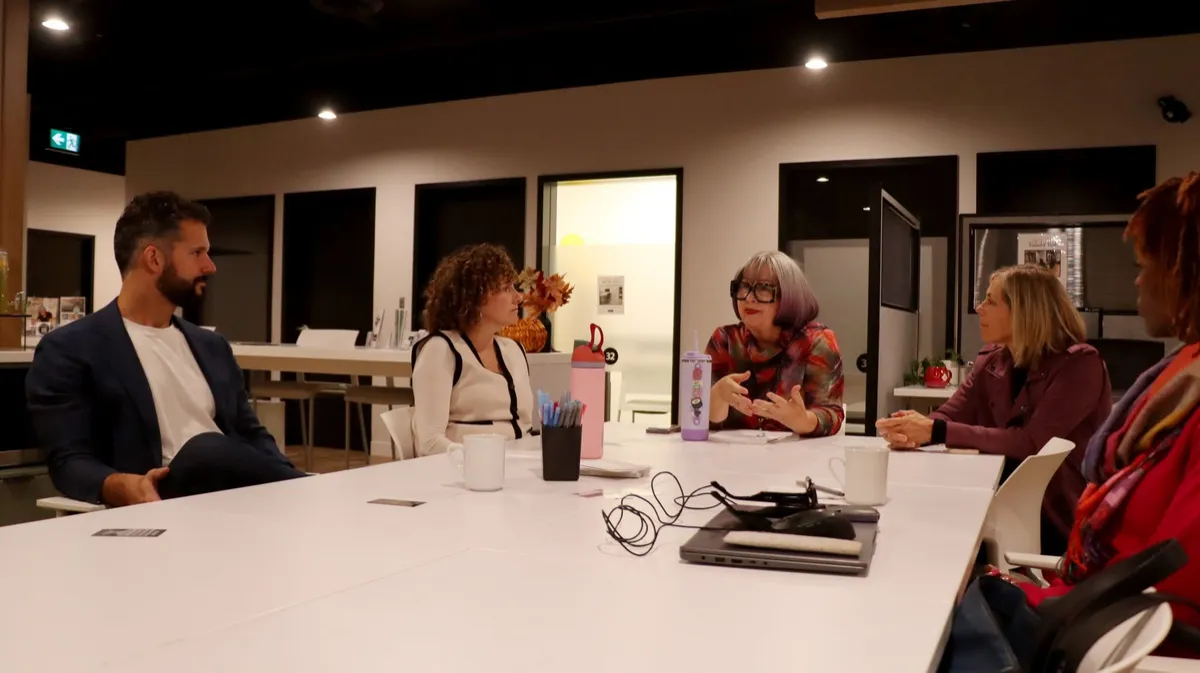
A Connection Is Only the Beginning
Meeting someone is the easy part.
You can attend networking events every week and collect hundreds of business cards. You can have thousands of LinkedIn connections. But neither automatically creates a strong professional network.
The relationship starts with what happens next.
Did you follow up?
Did you remember what you talked about?
Did you give the person a reason to continue the conversation?
This is why I believe having a follow-up system is one of the most important parts of networking.
Without one, it's far too easy for good connections to disappear.
Give Yourself Something to Follow Up On
Good follow-up actually begins during the first conversation.
When I meet someone, I want to learn something about them beyond their job title.
What are they working on?
What are they excited about?
Is there something they're trying to accomplish?
Do we know some of the same people?
The answers give you something real to remember.
I often take a few notes because I want to remember those little details.
Then your follow-up doesn't have to be the usual:
"It was nice meeting you."
You can continue the conversation you already started.
Maybe you send an article related to something they mentioned.
Perhaps you introduce them to someone.
You might simply ask how that project they told you about is going.
Now you're not just another person they met at an event.
Social Media Makes Staying Connected Easier
One of the greatest advantages we have today is social media.
LinkedIn gives us an opportunity to stay connected without constantly sending emails or scheduling coffee meetings.
Pay attention to what people in your network are sharing.
If someone announces an accomplishment, congratulate them.
If they ask a question and you have something useful to contribute, comment.
If their post reminds you of someone they should meet, make an introduction.
And don't just hit the Like button every time.
Start conversations.
Small interactions over time help people remember you, and more importantly, help you continue learning about them.
Stop Counting and Start Connecting
It's easy to become impressed by numbers.
Five hundred connections.
A thousand followers.
Hundreds of business cards.
But numbers don't tell us whether relationships actually exist.
A smaller network of people who know you, trust you, remember you, and understand how you can help each other can be far more valuable than thousands of names you've never spoken with.
That is why networking needs consistency.
You don't have to contact everyone every week.
You simply need a system that keeps good relationships from being forgotten.
Look at the Network You Already Have
Sometimes we become so focused on meeting new people that we overlook the people already around us.
Before you register for another event or send another twenty connection requests, spend some time looking at the network you've already built.
Who haven't you spoken with recently?
Who did you enjoy meeting but never follow up with?
Who could you introduce to someone?
Who could you help?
Pick one person and start there.
Because building a strong network isn't always about finding more people.
Sometimes it's about doing more with the relationships you already have.
How Networking Naturally Can Help
At Networking Naturally, we help people move beyond simply exchanging business cards and collecting contacts. Through networking events, training, and practical strategies, the focus is on building relationships, creating consistent follow-up habits, and developing a network that continues to grow over time.
The next connection you need may already be in your network.
You just need to start the conversation.
